
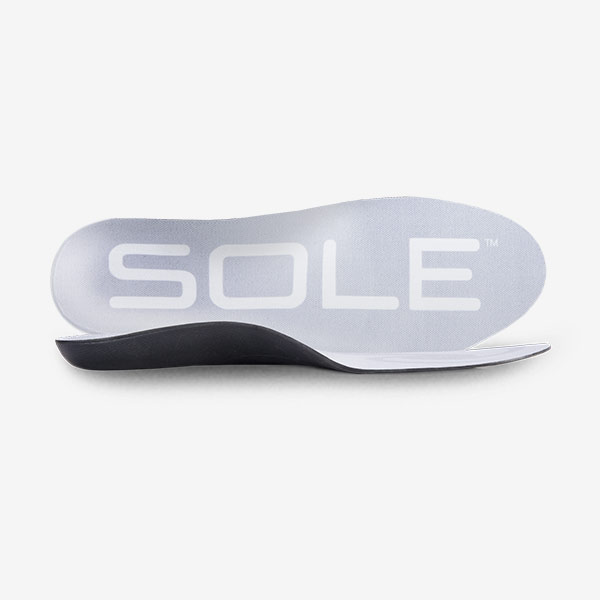
When people think of comfort in footwear, they often picture soft uppers or padded collars — but true comfort starts beneath the foot. The midsole and footbed are the structural layers responsible for impact absorption, stability, energy return and long-term wearability. These components form the bridge between the foot, the last and the outsole, transforming engineering into a smooth, natural walking experience.
1. The Midsole — Cushioning, Support & Energy Return
The midsole sits between the outsole and the footbed and functions as the shoe’s main shock-absorbing and stability system. It determines step softness, responsiveness and overall performance.
Most-used midsole materials in footwear:
- EVA (Ethylene Vinyl Acetate): lightweight, elastic, ideal for sneakers and running shoes
- PU (Polyurethane): denser, durable, long-term support for daily wear and work footwear
- TPU (Thermoplastic Polyurethane): high rebound, abrasion-resistant, used in technical and high-performance models
- Cork & natural latex: sustainable alternatives with cushioning and thermal regulation
Modern footwear manufacturing often blends multiple materials — such as EVA foam with TPU inserts — to achieve optimal comfort, stability and energy return.
2. The Footbed — Where the Foot Meets Comfort
The footbed (insole) is the layer directly touching the foot. While the midsole controls shock and motion, the footbed delivers immediate comfort and ergonomic support, influencing how the shoe feels from the first step.
Core functions of the footbed:
- Supports the natural arches
- Distributes pressure evenly across the foot
- Reduces fatigue, friction and irritation
- Regulates humidity and odor through breathable materials
Common footbed materials:
- Memory foam — custom cushioning that adapts to foot shape
- PU foam — stable and durable for all-day wear
- Cork — lightweight, antimicrobial and moisture-absorbent
- Gel & silicone inserts — localized pressure relief and heel comfort
Insoles are often used on sneakers and if you want to know more about sneaker production, you can read this post
3. Footwear Biomechanics & Ergonomics
Comfort is not only softness — it is biomechanical alignment. A well-designed midsole and footbed support natural gait, enabling smooth heel-to-toe transition and reducing stress over time.
Key ergonomic considerations include:
- Pressure mapping to identify high-impact contact areas
- Anatomical shaping for arch and metatarsal support
- Heel-to-ball alignment for proper posture and balance
Comfort is therefore a science of structure and perception — combining measurable pressure data with the subjective sensation of walking.
If you want to know more about technology in the footwear industry, you can read this post
4. Sustainable Midsole & Footbed Solutions
As sustainability becomes central to footwear sourcing and development, factories are investing in lower-impact cushioning systems that maintain performance while reducing footprint.
Examples of eco-driven innovation:
- Bio-based EVA and PU from sugarcane or castor oil
- Recycled cork composites for footbeds
- Water-based adhesives instead of solvents
- Removable insoles for extended product life and recyclability
Portugal’s footwear industry has been advancing in this field, integrating certified materials and circular production systems without compromising comfort.
Learn more about this topic here
5. Comfort as a Design Feature
In contemporary footwear, comfort is also visual and emotional. Midsoles are sculpted, layered and color-blocked into design statements, while footbeds are branded, embossed and textured to reinforce brand identity.
The challenge for modern designers is to balance Performance, Sustainability and Aesthetics.
Technical engineering and beauty now coexist — making comfort a core element of product storytelling.