
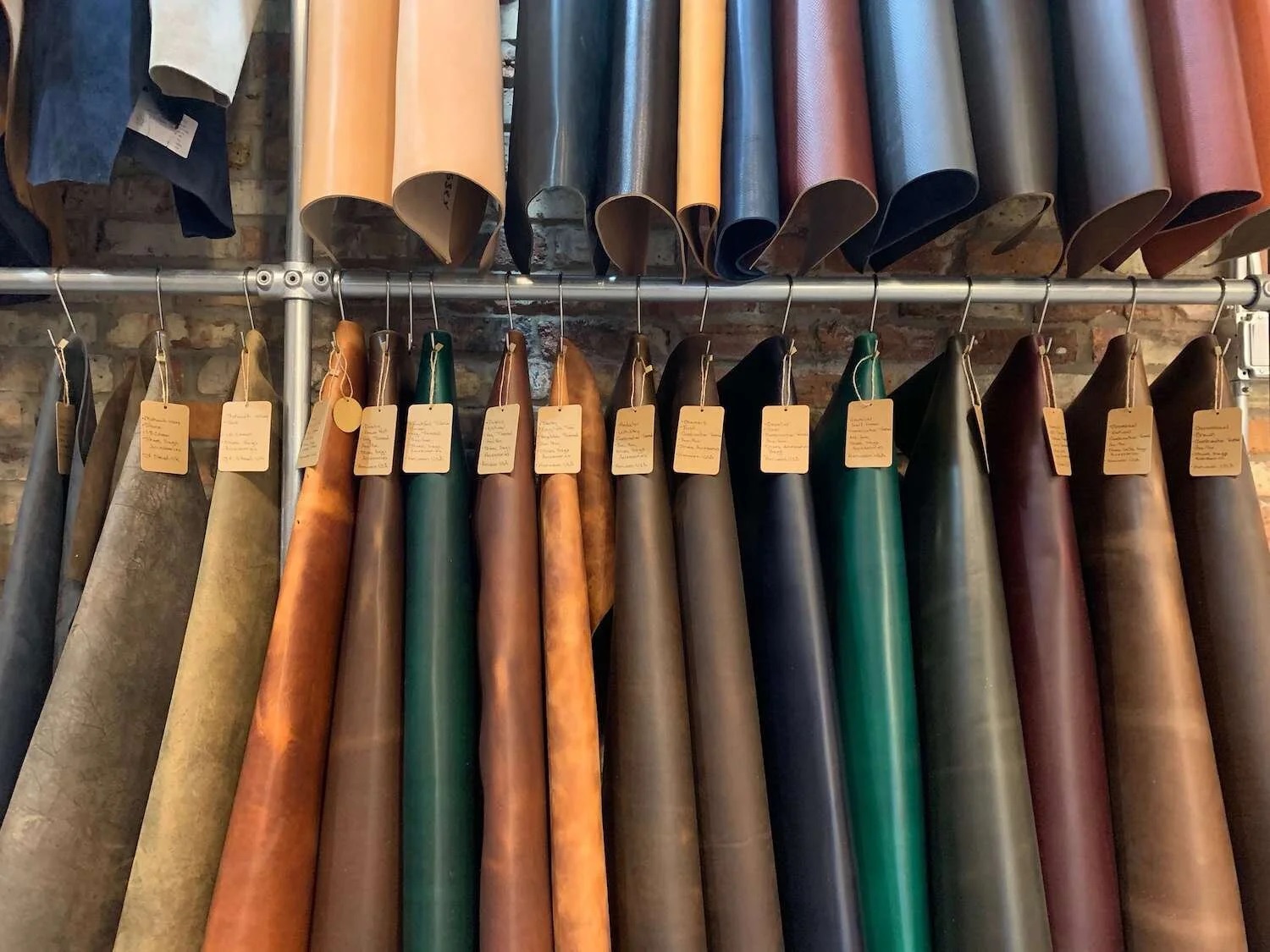
Portugal’s leather industry stands out for its balance between artisanal expertise and industrial efficiency. What began as a traditional manufacturing base has evolved into a modern, export-driven ecosystem aligned with global sustainability standards. For fashion brands and sourcing agencies, Portugal offers reliability without sacrificing flexibility. This combination makes it a strategic alternative to mass-production hubs.
How Is the Leather Manufacturing Industry Performing in Portugal?
The sector shows consistent growth supported by exports, innovation, and skilled labor. Portugal is now recognized across footwear, handbags, belts, and small leather goods.
Key industry indicators:
- 📈 €197 million in leather and leather goods exports (2023)
- 🏭 120+ active leather and leather goods companies
- 👷 86% employment growth over the past decade
These figures signal a resilient supply chain built for long-term partnerships.
Discover why brands are choose Portugal to produce their shoes here
Where Are Portugal’s Main Leather Production Hubs?
- Alcanena – The Heart of Tanning
Often called the Portuguese capital of leather, Alcanena is home to some of the country’s most advanced tanneries. Combining vegetable and chromium tanning, local producers have mastered the art of balancing traditional methods with eco-friendly processes. The area’s expertise in finishing techniques allows for diverse leather types, from ultra-soft calfskins to structured vegetable-tanned hides.
- São João da Madeira – Craftsmanship Meets Design
Renowned for its excellence in footwear and accessories, this region embodies the connection between creativity and precision. Here, artisans and manufacturers collaborate to produce handbags, hats, and small leather goods that unite tradition with modern styling. The result is a local industry that remains agile, design-oriented, and export-ready.
- Felgueiras – Footwear Capital of Portugal
Known worldwide for shoe production, Felgueiras is the backbone of Portugal’s footwear export success. Factories in this region integrate sustainable practices, digital design tools, and skilled labor — ensuring that Portuguese-made shoes continue to set standards in quality, comfort, and style.
Together, these regions form an industrial triangle that sustains Portugal’s reputation as a leader in premium, sustainable leather shoe manufacturing.
Discover more places to source leather here
How Sustainable Is Leather Production in Portugal?
Sustainability is embedded at every level of Portugal’s leather value chain. Many Portuguese tanneries meet or exceed European environmental standards.
Common sustainability practices include:
- Use of hides from the food industry (waste reduction)
- Closed-loop water recycling systems
- Low-emission dyeing and finishing
- Increased use of renewable energy
Certified tanneries, such as LWG Gold-rated producers, demonstrate Portugal’s leadership in responsible leather manufacturing.
Learn more about Quality and Sustainability in the Portuguese footwear industry here
Why Is Portugal Attractive for Brands?
Portugal offers what B2B buyers increasingly demand:
- Traceable sourcing
- Ethical labor practices
- Shorter lead times within Europe
- Easier collaboration during development
Sustainability in Portugal is not treated as marketing. It is a continuation of craftsmanship culture.
What Is the Future of the Portuguese Leather Industry?
Portugal is positioning itself as a premium, transparent, and flexible sourcing destination. As brands seek alternatives to overextended global leather suppliers, Portuguese manufacturers are gaining relevance.
The future points toward sustainable modernization, where innovation, traceability, and integrity define competitive advantage.