
Why Are Footwear Brands Turning to Cactus Leather (Desserto®)?
Footwear brands are under increasing pressure to meet sustainability targets while maintaining product performance.
Cactus leather addresses this challenge by offering a vegan, renewable, and traceable alternative to animal and synthetic leather.
Key sustainability drivers include:
- Rising consumer demand for eco-friendly footwear.
- Stricter environmental regulations in Europe and North America.
- The need for transparent, low-impact material sourcing.
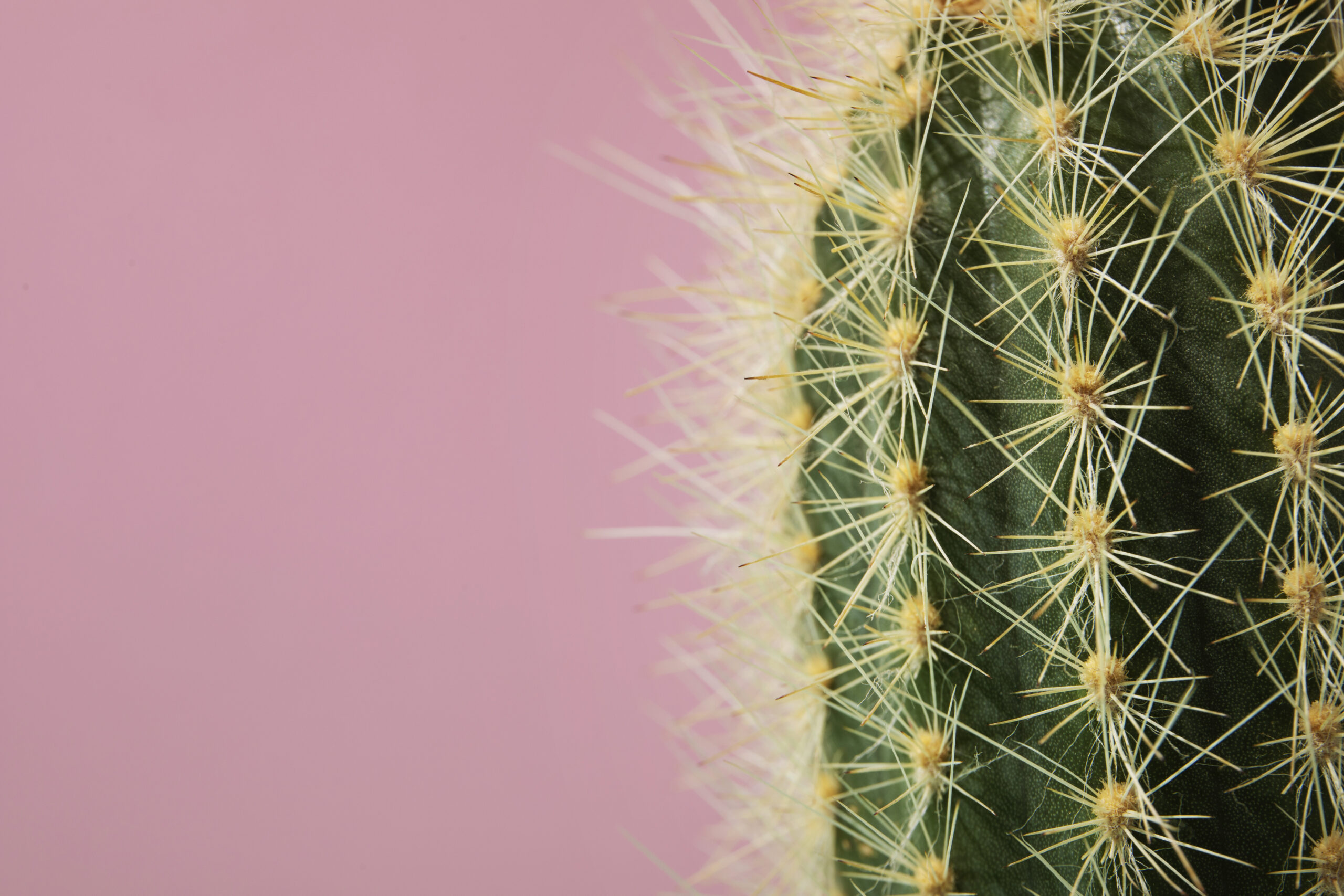
The nopal cactus requires minimal irrigation, regenerates naturally, and supports a low-carbon production cycle.
Learn more about sustainable footwear development here
Where Does Cactus Leather Perform Best in Footwear Design?
Cactus leather has proven effective in specific footwear categories where flexibility and aesthetics matter more than extreme durability.
Best-use applications include:
- Lifestyle sneakers with moderate wear requirements.
- Casual shoes requiring soft hand-feel and clean finishing.
- Vegan or sustainable capsule collections.
- Decorative panels, trims, and branding details.
Designers value its smooth surface, consistent grain, and dimensional stability during cutting and stitching.
What Are the Technical Limitations of Cactus Leather in Footwear Production?
Despite its potential, cactus leather still faces technical and industrial constraints.
Current challenges include:
- Limited thickness and elasticity compared to animal leather.
- Lower abrasion resistance for high-stress areas.
- Sensitivity to prolonged heat and moisture exposure.
- Higher costs and limited availability due to smaller production scale.
These factors currently restrict its use in performance footwear, work shoes, and heavily structured components.
How Is Cactus Leather Evolving for Industrial Footwear Use?
Material developers behind Desserto® are actively improving performance through polymer science and advanced coatings.
Recent improvements focus on:
- Increased tear strength and abrasion resistance.
- Better temperature stability during manufacturing.
- Improved compatibility with adhesives and lasting processes.
Collaboration between material suppliers and footwear factories is accelerating real-world testing and industrial adoption.
Discover how technology is reshaping the footwear industry here
What Is the Future of Cactus Leather in Footwear Production?
Cactus leather represents more than a new material. It reflects a shift toward regenerative sourcing and ethical product design.
For footwear brands, it offers:
- A credible sustainability story backed by traceable sourcing.
- Alignment with vegan and eco-conscious brand positioning.
- A scalable solution for lifestyle and fashion footwear segments.
While it will not replace every leather application yet, cactus leather is clearly shaping the future of sustainable footwear materials.
Learn more about innovative non-leather materials here