
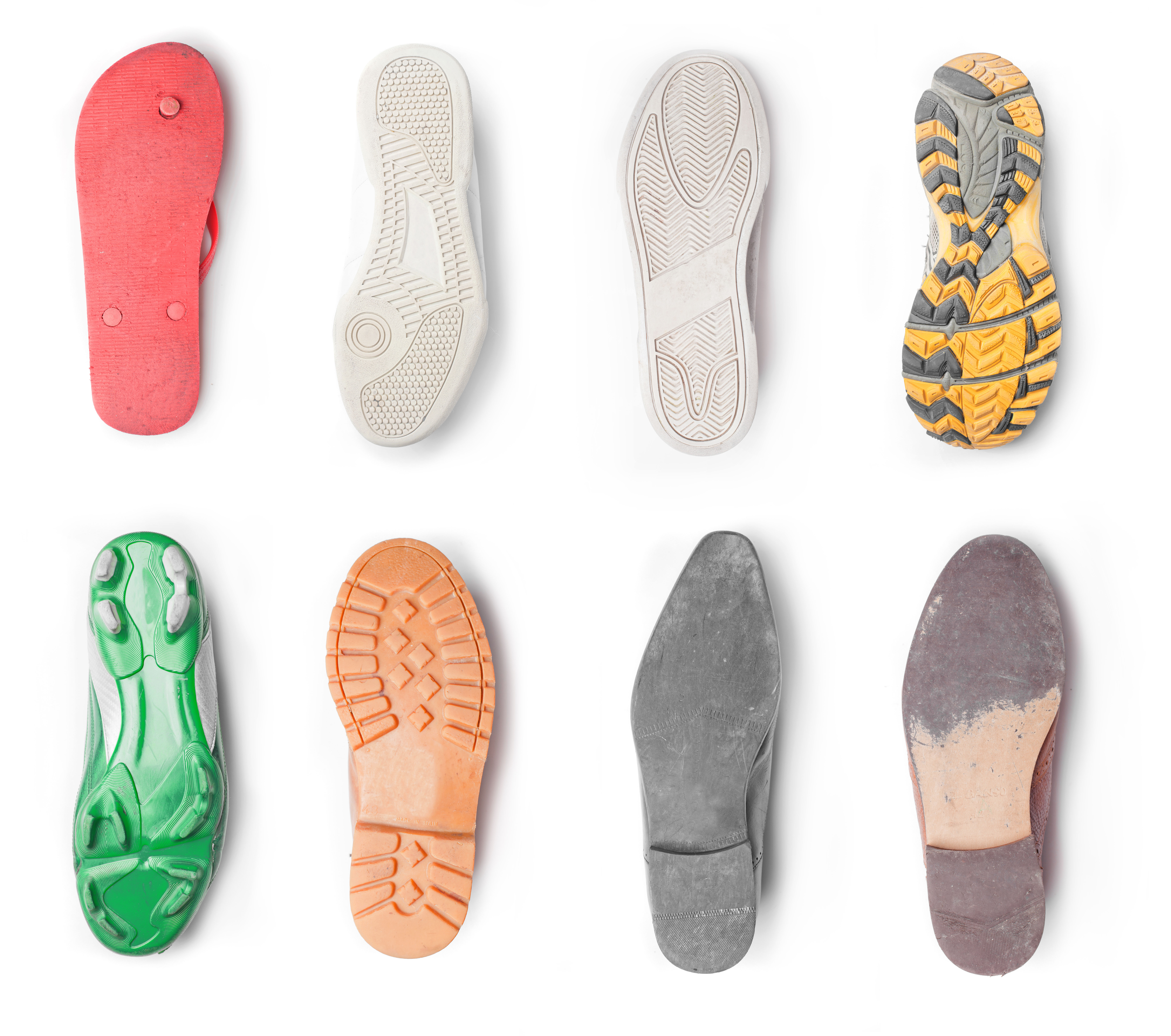
The outsole may be the part of a shoe that touches the ground, but its impact reaches far beyond that. It defines how the shoe performs, feels, and lasts. A well-designed outsole is a fine balance of engineering precision, functional comfort, and aesthetic appeal — shaping not only the way a shoe looks, but how it moves.
Conceptualization and Technical Blueprints
Every outsole begins with a clear vision where designers and engineers translate the shoe’s purpose into technical requirements. During this phase, the intended usage — whether urban sneakers, rugged boots, or high-end heels — dictates the foundational geometry.
- Purpose and usage: Categorization by sports, casual wear, or formal fashion
- Flexibility and grip: Parameters dictated by intended terrain and activity levels
- Weight and comfort balance: Selection of lighter materials for lifestyle vs. denser compounds for durability
- Aesthetic language: Ensuring the outsole silhouette complements the upper design
This early phase involves hand sketches, a footwear last and digital 3D renderings where creativity meets functional feasibility.
Discover what is a footwear last here
Strategic Material Selection and Performance
Choosing the right compound is central to how an outsole performs and ages. Today, many suppliers combine materials to achieve a specific blend of comfort and sustainability.
- Rubber: Exceptional grip and abrasion resistance for everyday or outdoor use
- EVA (Ethylene Vinyl Acetate): Industry standard for lightweight cushioning in sneakers and running shoes
- TPU (Thermoplastic Polyurethane): High durability and flexibility with options for translucent or textured effects
- PU (Polyurethane): Strong resistance to deformation, ideal for direct-injected soles
- Recycled and Bio-based compounds: Integration of recycled rubber or plant-based EVA to reduce environmental impact
3D Engineering and Precision Mold Development
Once the material and design are approved, the process moves into specialized 3D CAD engineering. Every millimeter of tread, curve, and joint is defined, as even a 0.2 mm deviation in the mold can compromise the shoe’s balance.
- Cavity structure: Designed for specific injection or compression techniques
- Surface detailing: Defining textures, grip patterns, and slip-resistant geometry
- Flex points: Strategic thickness variations to allow natural foot movement
- Branding zones: Precise placement for logos and technical markings
Industrial Testing and Performance Validation
Before an outsole enters mass production, it must pass a series of mechanical and ergonomic tests. These benchmarks ensure consistency and long-term reliability for the brand.
- Abrasion resistance: Simulating friction and wear over extended periods
- Flex and fatigue testing: Evaluating durability through repeated bending cycles
- Slip resistance: Testing traction levels on various surfaces and inclines
- Hydrolysis and aging: Assessing how materials react to temperature and humidity over time
Eco-Efficient Production and Sustainability
Outsoles are produced using injection molding, compression, or direct-attach techniques. Factories in Portugal have emerged as leaders in this field by integrating automation with sustainable practices.
- Material recovery: Closed-loop systems that recover leftover material for reuse
- Lightweighting: Engineering strategies to reduce total material consumption without losing strength
- Bio-alternatives: Growing use of recycled rubber granules and bio-based EVA
- Solvent-free treatments: Transitioning to water-based surface finishing
Discover how to improve comfort with midsoles and footbeds here
Aesthetic Integration and Brand Identity
The outsole is a significant design statement that contributes to the visual identity of the shoe. Whether it is a minimalist sneaker profile or a bold, aggressive lug sole, the bottom of the shoe reflects the same attention to design as the upper. Designers and engineers collaborate closely to align proportions, edges, and surface details, ensuring the final product tells a cohesive story from the ground up.
Discover why Portugal is one of the best destinations for footwear and fashion sourcing here