
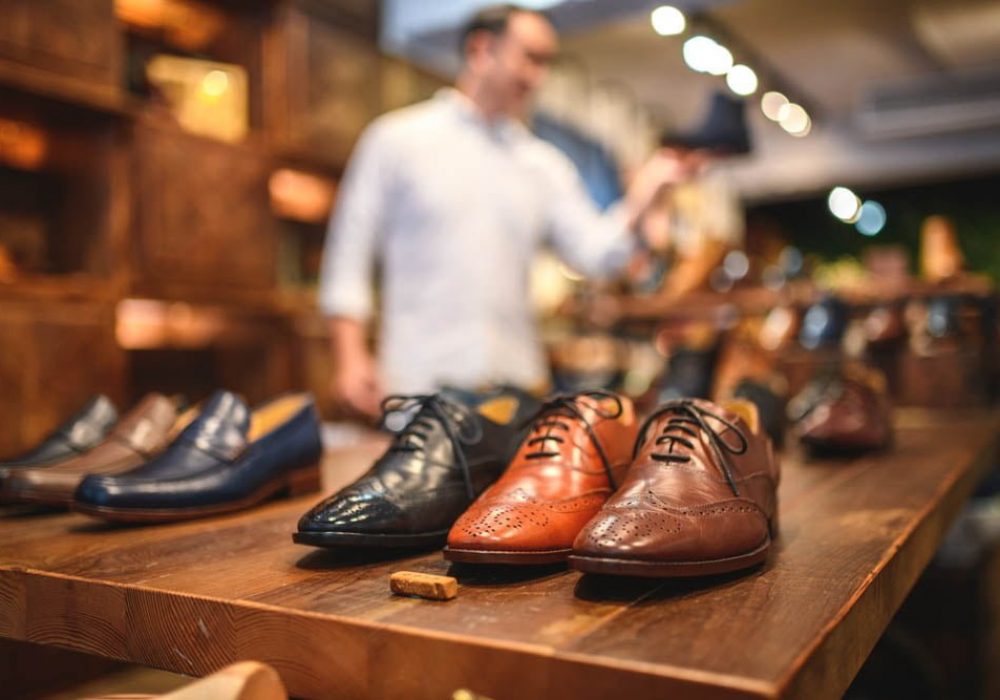
Private label products are manufactured by a third party and sold under a brand’s own name. This model allows brands to launch faster, reduce development costs, and limit operational risk by leveraging existing manufacturing infrastructure instead of building products from scratch.
In a highly competitive market, many fashion and lifestyle brands are under pressure to move faster while keeping costs under control.
Private label products offer a practical solution by combining speed, cost efficiency, and lower operational complexity, and the same goes with private label in footwear manufacturing.
Why Brands Choose Private Label Products?
Private label is especially attractive to small and mid-sized brands seeking speed and flexibility. Key advantages include:
Faster Time to Market:
Private label products shorten development cycles. Because base designs or templates already exist, brands can launch collections quickly and react faster to trends or seasonal demand.
Cost Efficiency
Using a manufacturer’s established operations reduces upfront investment. Brands avoid development tooling, raw material sourcing complexity, and production setup costs.
Lower Minimum Order Quantities
Many private label suppliers offer lower MOQs. This allows brands to test new products, enter new markets, or validate demand with reduced financial risk.
Reduced Operational Complexity
Production management stays largely with the supplier. This frees internal teams to focus on brand strategy, marketing, and sales rather than factory coordination.
Improved Profit Margins
Brands control pricing while keeping production costs predictable. With the right positioning, private label products can deliver strong margins compared to reselling third-party brands.
Discover the key steps and the main challenges in footwear production here
What Are the Limitations of Private Label Products?
Despite the benefits, private label is not without trade-offs.
Limited Brand Differentiation
Products may be shared across multiple clients. Customization options can be restricted, making it harder to build a truly unique product offering.
Quality Control Risks
Without proper oversight, some suppliers may compromise on materials or consistency. This makes supplier selection and quality management critical.
Reduced Design Flexibility
Private label products are often based on existing designs. Brands seeking highly customized constructions or exclusive features may find the model limiting.
Brand Loyalty Challenges
Private label products can be perceived as generic if branding and storytelling are weak. Strong identity and positioning are essential to avoid commoditization.
Competitive Market Pressure
Private label is widely used in fashion and footwear. Standing out requires clear differentiation, strong visuals, and consistent brand execution.
When Is Private Label the Right Choice?
Private label products are a strong fit when brands want to:
- Launch quickly
- Reduce development and sourcing complexity
- Test new markets or categories
- Control risk while scaling gradually
Success depends heavily on choosing the right private label supplier — one that aligns with your quality standards, timelines, and long-term vision.
Discover how to find reliable shoe factories in Europe here
How a Sourcing Partner Supports Private Label Success?
Managing private label manufacturing across regions can be complex.
At Mindstep, we support brands throughout the full private label journey in footwear and accessories. Our teams help brands:
- Identify reliable private label suppliers in Portugal, Turkey, and China
- Negotiate pricing and production terms
- Manage sampling, testing, and quality inspections
- Oversee production timelines and delivery
With local teams in key production hubs, we provide hands-on oversight to reduce risk, prevent miscommunication, and ensure consistency from concept to final product.
Discover how to choose the right footwear sourcing agency here